Web cookies (also called HTTP cookies, browser cookies, or simply cookies) are small pieces of data that websites store on your device (computer, phone, etc.) through your web browser. They are used to remember information about you and your interactions with the site.
Purpose of Cookies:
Session Management:
Keeping you logged in
Remembering items in a shopping cart
Saving language or theme preferences
Personalization:
Tailoring content or ads based on your previous activity
Tracking & Analytics:
Monitoring browsing behavior for analytics or marketing purposes
Types of Cookies:
Session Cookies:
Temporary; deleted when you close your browser
Used for things like keeping you logged in during a single session
Persistent Cookies:
Stored on your device until they expire or are manually deleted
Used for remembering login credentials, settings, etc.
First-Party Cookies:
Set by the website you're visiting directly
Third-Party Cookies:
Set by other domains (usually advertisers) embedded in the website
Commonly used for tracking across multiple sites
Authentication cookies are a special type of web cookie used to identify and verify a user after they log in to a website or web application.
What They Do:
Once you log in to a site, the server creates an authentication cookie and sends it to your browser. This cookie:
Proves to the website that you're logged in
Prevents you from having to log in again on every page you visit
Can persist across sessions if you select "Remember me"
What's Inside an Authentication Cookie?
Typically, it contains:
A unique session ID (not your actual password)
Optional metadata (e.g., expiration time, security flags)
Analytics cookies are cookies used to collect data about how visitors interact with a website. Their primary purpose is to help website owners understand and improve user experience by analyzing things like:
How users navigate the site
Which pages are most/least visited
How long users stay on each page
What device, browser, or location the user is from
What They Track:
Some examples of data analytics cookies may collect:
Page views and time spent on pages
Click paths (how users move from page to page)
Bounce rate (users who leave without interacting)
User demographics (location, language, device)
Referring websites (how users arrived at the site)
Here’s how you can disable cookies in common browsers:
1. Google Chrome
Open Chrome and click the three vertical dots in the top-right corner.
Go to Settings > Privacy and security > Cookies and other site data.
Choose your preferred option:
Block all cookies (not recommended, can break most websites).
Block third-party cookies (can block ads and tracking cookies).
2. Mozilla Firefox
Open Firefox and click the three horizontal lines in the top-right corner.
Go to Settings > Privacy & Security.
Under the Enhanced Tracking Protection section, choose Strict to block most cookies or Custom to manually choose which cookies to block.
3. Safari
Open Safari and click Safari in the top-left corner of the screen.
Go to Preferences > Privacy.
Check Block all cookies to stop all cookies, or select options to block third-party cookies.
4. Microsoft Edge
Open Edge and click the three horizontal dots in the top-right corner.
Go to Settings > Privacy, search, and services > Cookies and site permissions.
Select your cookie settings from there, including blocking all cookies or blocking third-party cookies.
5. On Mobile (iOS/Android)
For Safari on iOS: Go to Settings > Safari > Privacy & Security > Block All Cookies.
For Chrome on Android: Open the app, tap the three dots, go to Settings > Privacy and security > Cookies.
Be Aware:
Disabling cookies can make your online experience more difficult. Some websites may not load properly, or you may be logged out frequently. Also, certain features may not work as expected.
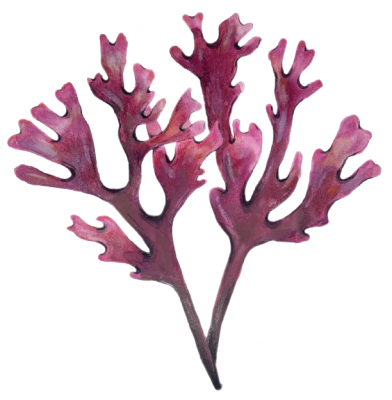
Dulse, a red sea vegetable varying in color from deep rose to reddish purple, can be found in the wild clinging to the rocky shores of the northern Atlantic and Pacific, from the mid-tideline all the way down to depths of 65 feet. There are several species of dulse with varying shapes and sizes, ranging from bushy pom-poms (Devaleraea mollis) to flat leathery-soft blades (Palmaria palmata). No matter the form it takes, this red beauty is sure to add a smoky punch to your culinary repertoire.
The earliest written record of dulse comes from Iceland in 961 AD. Many cultures recognized dulse’s medicinal ability to cure people of parasitic intestinal worms, due to a naturally occurring compound called kainic acid.
In the United States, this seaweed is grown in land-based tanks, and industry research efforts are underway to develop farming methods in the open ocean using seed nets or lines with hatchery-produced spores.
Flavor Profile (notes and cooking tips)
Slight bitterness, clean finish, very earthy when dried, rich umami smokiness when cooked, which some say is comparable to the taste of bacon.
Texture
Thin, supple leathery ribs with crisp tips, slightly chewy texture when cooked.
Preparation Tips
Give your dulse a quick rinse in freshwater before cooking. Dulse burns easily, so be sure to cook on medium to low heat. When blanched, dulse takes on a deep green color.
Land-based tanks on both the east and west coasts.
Harvest Season
Year round.
Nutrition
Great source of protein, vitamins, minerals, and antioxidants. Also contains unique compounds such as polyphenols and polysaccharides, which have been studied for their potential anti-inflammatory and antioxidant properties.
Storage Tips
Refrigerate and consume fresh dulse within 5 days of harvest. To prolong shelf life, freeze or dry in dehydrator and store in a cool, dry place.
Environmental Benefits
Absorbs CO2 from the ocean and produces oxygen, provides food for grazers like sea urchins and shelter for invertebrates like snails.
Recipes
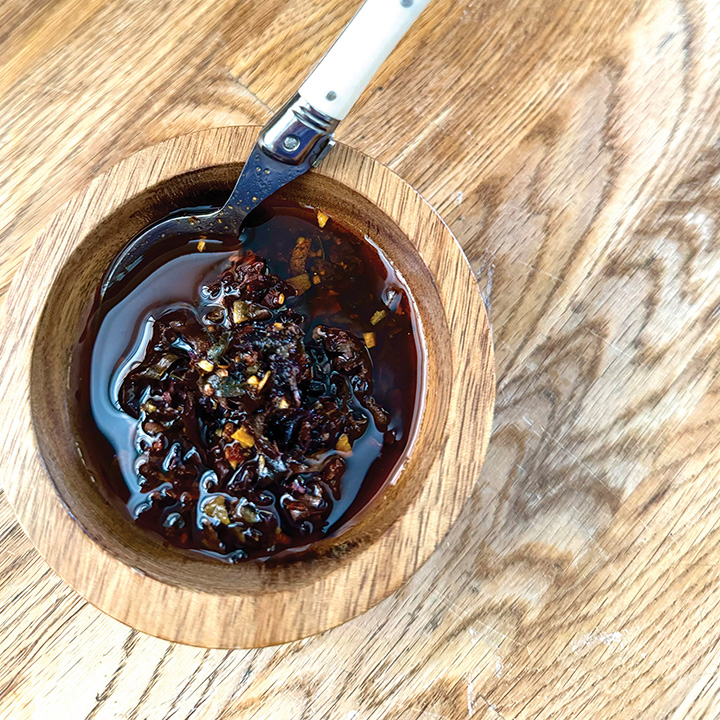
Dulse Chili Crisp
Recipe by Christina Ng, Dulse sourced from Sunken Seaweed
Ingredients
8 cloves garlic – finely chopped
1 3/4 cups neutral oil (sunflower, grapeseed)
1 cup dulse
1/3 cup Aleppo pepper flakes
1 tbsp smoked paprika
21/2 tsp sea salt
Directions
In a small sauté pan, heat the oil and garlic together until garlic is lightly browned.
While garlic is cooking, pat the dulse dry in paper towels, then finely chop.
Place dulse into a bowl with Aleppo pepper flakes, smoked paprika, and sea salt.
Once garlic is aromatic and browned, take off heat and pour garlic and oil over the dulse, chili flakes, and smoked paprika. Let rest for 24 hours at room temperature.
Serve over seafood, eggs, rice, or wherever you need an umami kick.